Hero

Sustainability: full width before after

Standard Textile applies a warm, accountable, production-minded approach to Home Textile, Bedding & Towel. This section follows the manifest layout id SUS-F and keeps the component order unchanged.

Standard Textile works through a practical B2B sequence: define the application, identify the performance or sourcing risk, prepare sample materials, and document the review path in language that both technical and commercial teams can use. The page avoids unsupported textile claims and presents qualification as a disciplined process rather than a shortcut.

For Home Textile, Bedding & Towel, buyers usually need clarity on composition, construction, finishing route, color expectations, durability screening, and replenishment planning. Standard Textile organizes those discussions into named checkpoints so mills, brands, procurement teams, and laboratories can compare options without guessing which evidence belongs to which decision.

The result is a focused conversation around use case, market, volume, timing, and documentation. That keeps sampling efficient while leaving room for formal test reports, compliance files, and buyer-specific audit requests when they are relevant to the selected category.
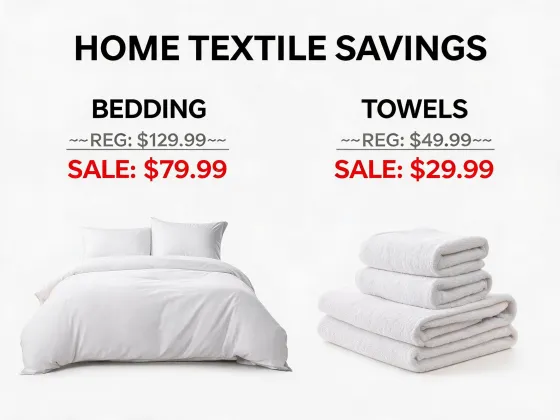
Standard Textile hero
Savings Demo

Sustainability: interactive calculator layout

Standard Textile applies a warm, accountable, production-minded approach to Home Textile, Bedding & Towel. This section follows the manifest layout id SUS-F and keeps the component order unchanged.

Standard Textile works through a practical B2B sequence: define the application, identify the performance or sourcing risk, prepare sample materials, and document the review path in language that both technical and commercial teams can use. The page avoids unsupported textile claims and presents qualification as a disciplined process rather than a shortcut.

For Home Textile, Bedding & Towel, buyers usually need clarity on composition, construction, finishing route, color expectations, durability screening, and replenishment planning. Standard Textile organizes those discussions into named checkpoints so mills, brands, procurement teams, and laboratories can compare options without guessing which evidence belongs to which decision.

The result is a focused conversation around use case, market, volume, timing, and documentation. That keeps sampling efficient while leaving room for formal test reports, compliance files, and buyer-specific audit requests when they are relevant to the selected category.
Standard Textile savings demo
Case Studies

Sustainability: card grid

Standard Textile applies a warm, accountable, production-minded approach to Home Textile, Bedding & Towel. This section follows the manifest layout id SUS-F and keeps the component order unchanged.

Standard Textile works through a practical B2B sequence: define the application, identify the performance or sourcing risk, prepare sample materials, and document the review path in language that both technical and commercial teams can use. The page avoids unsupported textile claims and presents qualification as a disciplined process rather than a shortcut.

For Home Textile, Bedding & Towel, buyers usually need clarity on composition, construction, finishing route, color expectations, durability screening, and replenishment planning. Standard Textile organizes those discussions into named checkpoints so mills, brands, procurement teams, and laboratories can compare options without guessing which evidence belongs to which decision.

The result is a focused conversation around use case, market, volume, timing, and documentation. That keeps sampling efficient while leaving room for formal test reports, compliance files, and buyer-specific audit requests when they are relevant to the selected category.
Standard Textile case studies
Cta

Sustainability: split with form

Standard Textile applies a warm, accountable, production-minded approach to Home Textile, Bedding & Towel. This section follows the manifest layout id SUS-F and keeps the component order unchanged.

Standard Textile works through a practical B2B sequence: define the application, identify the performance or sourcing risk, prepare sample materials, and document the review path in language that both technical and commercial teams can use. The page avoids unsupported textile claims and presents qualification as a disciplined process rather than a shortcut.

For Home Textile, Bedding & Towel, buyers usually need clarity on composition, construction, finishing route, color expectations, durability screening, and replenishment planning. Standard Textile organizes those discussions into named checkpoints so mills, brands, procurement teams, and laboratories can compare options without guessing which evidence belongs to which decision.

The result is a focused conversation around use case, market, volume, timing, and documentation. That keeps sampling efficient while leaving room for formal test reports, compliance files, and buyer-specific audit requests when they are relevant to the selected category.

Standard Textile cta
Specification Reference

Test Methods and Performance Targets

Documentation packets are delivered in formats the buyer's qualification template expects — Standard Textile aligns to the buyer's review structure rather than supplier-format default. Standard Textile Home Textile, Bedding & Towel replies inside one buyer review cycle when the brief carries category, method, volume and timing.

SpecificationTest MethodTypical Target
Wyzenbeek AbrasionASTM D4157≥30,000 residential; ≥100,000 heavy contract; ≥200,000 marine
Martindale AbrasionASTM D4966 / ISO 12947≥20,000 residential; ≥40,000 commercial; ≥100,000 severe contract
LightfastnessAATCC 16 Option 3≥4 interior; ≥7 outdoor / awning
Colorfastness CrockingAATCC 8≥4 dry / ≥3 wet for contract
FlammabilityNFPA 260 Class I / CAL 117-2013Pass on all upholstery for hospitality
GSMASTM D3776200-260 g/m² drapery; 320-450 g/m² upholstery; 500-900 g/m² heavy contract
Verification Path

How to Reproduce These Results

Free Sample & Lab Test

Standard Textile delivers sustainability packets in the buyer's qualification template format wherever the template is available; default format covers scheme, validity, scope, scan reference. Standard Textile runs Home Textile, Bedding & Towel programs on the same documentation continuity buyers expect across renewal cycles.

Application Engineer Review

Standard Textile treats sustainability as a documentation discipline first — every claim on this page is matched to a certificate scheme, a test method, or a facility scorecard the buyer can request. Standard Textile Home Textile, Bedding & Towel programs run on documented sample, certificate and quotation cycles.

Document Pack on Request

Recycled content: Standard Textile certifies recycled-content claims through GRS / RCS chain-of-custody when the article qualifies, with the percentage and recycling source documented. Standard Textile runs Home Textile, Bedding & Towel programs on the same documentation continuity buyers expect across renewal cycles.

Method Comparison Table

Tips and FAQ: how OEKO-TEX 100 differs from bluesign, when GRS applies versus RCS, what Higg FEM measures, why ZDHC MRSL matters for finishing chemistry. Standard Textile Upholstery & Drapery Fabric programs follow the same intake structure Home Textile, Bedding & Towel programs use.

Applicability & Limitations. Performance values are typical and depend on construction, finishing, end-use environment, wash cycle profile, and ambient conditions. Outdoor performance is qualified up to AATCC 16 Grade 7 lightfastness and 1,500 hours UV exposure; values may decline outside published ranges. MOQ, lead time and finishing options vary by mill site and order window — request a current capacity quote during the sample stage.