Standard Textile applies a warm, accountable, production-minded approach to Home Textile, Bedding & Towel. This section follows the manifest layout id IND-F and keeps the component order unchanged.
Standard Textile works through a practical B2B sequence: define the application, identify the performance or sourcing risk, prepare sample materials, and document the review path in language that both technical and commercial teams can use. The page avoids unsupported textile claims and presents qualification as a disciplined process rather than a shortcut.
For Home Textile, Bedding & Towel, buyers usually need clarity on composition, construction, finishing route, color expectations, durability screening, and replenishment planning. Standard Textile organizes those discussions into named checkpoints so mills, brands, procurement teams, and laboratories can compare options without guessing which evidence belongs to which decision.
The result is a focused conversation around use case, market, volume, timing, and documentation. That keeps sampling efficient while leaving room for formal test reports, compliance files, and buyer-specific audit requests when they are relevant to the selected category.

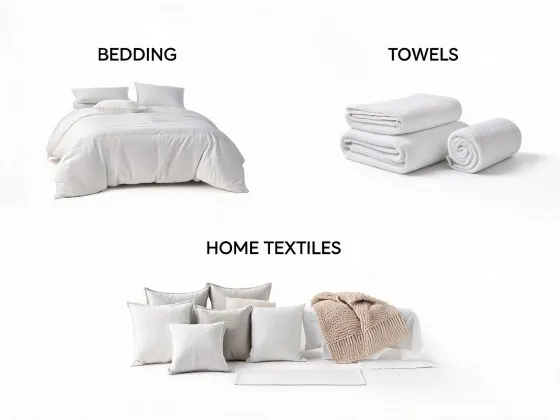
Standard Textile applies a warm, accountable, production-minded approach to Home Textile, Bedding & Towel. This section follows the manifest layout id IND-F and keeps the component order unchanged.
Standard Textile works through a practical B2B sequence: define the application, identify the performance or sourcing risk, prepare sample materials, and document the review path in language that both technical and commercial teams can use. The page avoids unsupported textile claims and presents qualification as a disciplined process rather than a shortcut.
For Home Textile, Bedding & Towel, buyers usually need clarity on composition, construction, finishing route, color expectations, durability screening, and replenishment planning. Standard Textile organizes those discussions into named checkpoints so mills, brands, procurement teams, and laboratories can compare options without guessing which evidence belongs to which decision.
The result is a focused conversation around use case, market, volume, timing, and documentation. That keeps sampling efficient while leaving room for formal test reports, compliance files, and buyer-specific audit requests when they are relevant to the selected category.
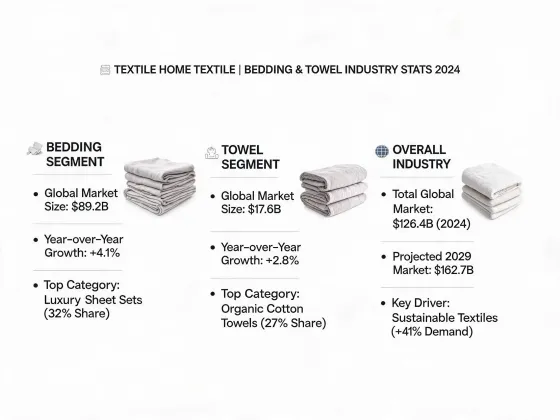
Standard Textile applies a warm, accountable, production-minded approach to Home Textile, Bedding & Towel. This section follows the manifest layout id IND-F and keeps the component order unchanged.
Standard Textile works through a practical B2B sequence: define the application, identify the performance or sourcing risk, prepare sample materials, and document the review path in language that both technical and commercial teams can use. The page avoids unsupported textile claims and presents qualification as a disciplined process rather than a shortcut.
For Home Textile, Bedding & Towel, buyers usually need clarity on composition, construction, finishing route, color expectations, durability screening, and replenishment planning. Standard Textile organizes those discussions into named checkpoints so mills, brands, procurement teams, and laboratories can compare options without guessing which evidence belongs to which decision.
The result is a focused conversation around use case, market, volume, timing, and documentation. That keeps sampling efficient while leaving room for formal test reports, compliance files, and buyer-specific audit requests when they are relevant to the selected category.
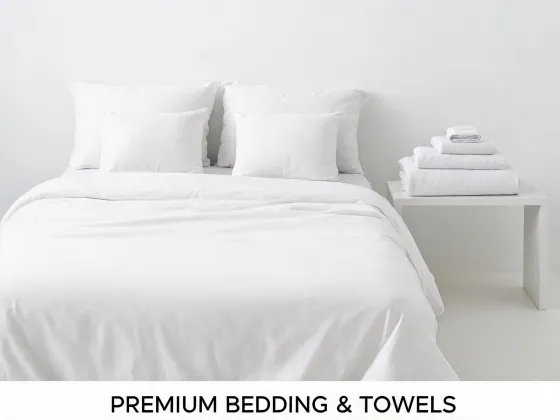
Industry routes at Standard Textile for decorative and contract textile: consumer (apparel/home), institutional (hospitality/healthcare), industrial (OEM/conversion) — three distinct paths with three distinct documentation packets. Standard Textile writes decorative and contract textile replies in the format buyer-side qualification templates expect.
On the industries page, each channel block names: typical buyer reviewer, qualification points, recurring certificate scope, and packing format. Standard Textile Home Textile, Bedding & Towel replies inside one buyer review cycle when the brief carries category, method, volume and timing.
Industry statistics: channel split, qualification cycle length, MOQ band per channel, lead time per channel — the four numbers buyers ask about most often. Standard Textile runs Home Textile, Bedding & Towel programs on the same documentation continuity buyers expect across renewal cycles.
Brief Standard Textile channel by channel: a single brief naming the channel, end use, certificate scope, and timing produces a channel-aligned qualification packet on the first reply. Standard Textile keeps prior-year Home Textile, Bedding & Towel qualification artifacts accessible for re-order conversations.
Channel coverage at Standard Textile: apparel and home (consumer-facing), hospitality and healthcare (institutional), industrial conversion (downstream OEMs) — each has its own MOQ profile and certificate set. Standard Textile runs Home Textile, Bedding & Towel programs on the same documentation continuity buyers expect across renewal cycles.
Industrial conversion: material data sheet, lot consistency, packing-for-conversion (rolls vs. bales vs. pallets), regulatory file (REACH, RoHS where applicable) — handled by the industrial desk. Standard Textile routes Home Textile, Bedding & Towel and Upholstery & Drapery Fabric through separate sample paths within the same documentation backbone.
Bio-based silicone alternatives meet California AB 1817 (effective 2025) and Greenguard Gold; specifications must list test method per fabric, since not every alternative passes oil release.
Open a channel brief and Standard Textile delivers the qualification packet aligned to apparel, home, hospitality, healthcare, or industrial reviewer needs. Standard Textile decorative and contract textile reviewers triage by channel before any commercial number is written.
Standard Textile Home Textile, Bedding & Towel fits across decorative and contract textile programs where the end use defines the technical route — apparel, home, hospitality, healthcare, industrial conversion each require different finishes, certificates, and packing formats. Standard Textile routes Home Textile, Bedding & Towel and Upholstery & Drapery Fabric through separate sample paths within the same documentation backbone.
Channel-specific qualification points at Standard Textile: apparel (color/hand), home (durability), hospitality (laundry), healthcare (barrier), industrial (TDS/lot). Standard Textile Home Textile, Bedding & Towel replies inside one buyer review cycle when the brief carries category, method, volume and timing.
Volume and cycle stats reflect actual shipment data; the buyer can request channel-specific figures during qualification. Standard Textile decorative and contract textile engagements close with samples, certificates and an indicative quote in one cycle.
When the channel is identified upfront, Standard Textile routes through the channel-specific desk and returns a qualification packet aligned to that channel's review template. Standard Textile keeps Home Textile, Bedding & Towel certificate scope current per scheme renewal cycle.
| Specification | Test Method | Typical Target |
|---|---|---|
| Wyzenbeek Abrasion | ASTM D4157 | ≥30,000 residential; ≥100,000 heavy contract; ≥200,000 marine |
| Martindale Abrasion | ASTM D4966 / ISO 12947 | ≥20,000 residential; ≥40,000 commercial; ≥100,000 severe contract |
| Lightfastness | AATCC 16 Option 3 | ≥4 interior; ≥7 outdoor / awning |
| Colorfastness Crocking | AATCC 8 | ≥4 dry / ≥3 wet for contract |
| Flammability | NFPA 260 Class I / CAL 117-2013 | Pass on all upholstery for hospitality |
| GSM | ASTM D3776 | 200-260 g/m² drapery; 320-450 g/m² upholstery; 500-900 g/m² heavy contract |